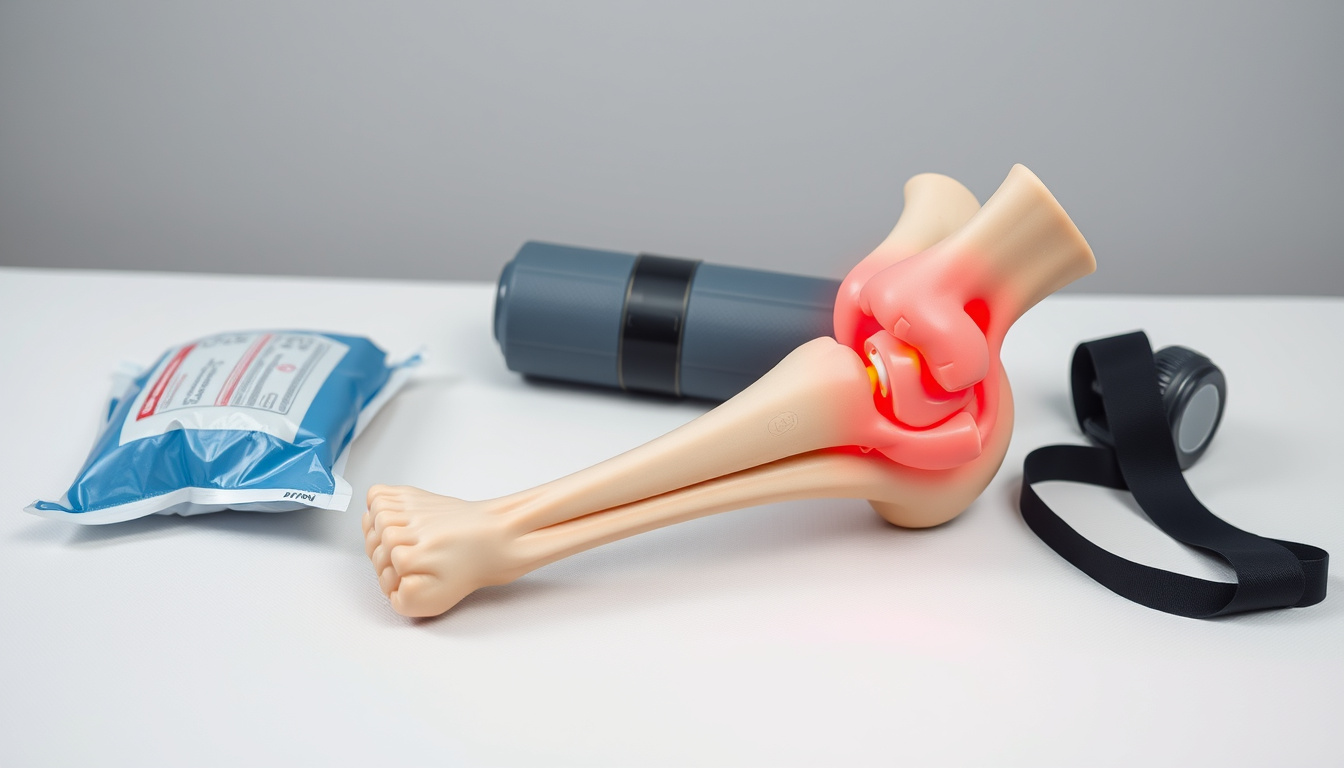

If you’ve ever felt a dull ache behind or around your kneecap after a run, you’re not alone. Patellofemoral pain syndrome—commonly called runner’s knee—is one of the most frequent causes of knee pain in active people, and it tends to creep up gradually rather than announce itself with a dramatic moment. This article breaks down what the research says about what causes it, how to treat it effectively, and what timelines you can actually expect.
Common Name: Runner’s Knee · Primary Location: Front of the knee, around kneecap · Typical Recovery: 1-2 months with physical therapy · Pain Type: Dull, aching · Condition Nature: Chronic
Quick snapshot
- Exercise therapy is the primary treatment for PFPS (PMC – NIH)
- Most patients recover within 1-2 months with consistent rehab (Cleveland Clinic)
- Hip+knee exercises outperform knee-only programs long-term (PMC – NIH)
- Exact healing time varies significantly by individual
- Which specific exercise type works best remains debated
- Patient demographics (age, gender) impact not fully quantified
- Phase I rehab spans 0-2 weeks for acute symptom management
- Short-term effects visible within 4-12 weeks of exercise therapy
- Long-term follow-up assessments typically at 12 months
- Structured rehab with hip+knee focus is the recommended first step
- Adjunct therapies like taping may provide short-term relief
- Return to activity should be gradual and monitored
| Category | Detail |
|---|---|
| Definition | Pain around kneecap |
| Prevalence | Common in runners |
| Onset | Gradual overuse |
| Primary Treatment | Exercise therapy (hip + knee targeted) |
| Phase I Duration | 0-2 weeks |
| Hip Exercise Focus | Posterolateral hip musculature |
How do you relieve pain from patellofemoral syndrome?
Pain relief for patellofemoral pain syndrome centers on a structured rehab program. According to the Journal of Orthopaedic & Sports Physical Therapy (JOSPT) clinical practice guideline, clinicians should include combined hip- and knee-targeted exercises to reduce pain and improve patient-reported outcomes across short, medium, and long term.
RICE method
The RICE protocol (Rest, Ice, Compression, Elevation) serves as the first-line approach during the acute phase. Phase I rehab typically spans 0-2 weeks and focuses on reducing swelling, restoring mobility, and minimizing pain through patient education and gentle interventions. Interventions include soft tissue mobilization, patellar taping, and ischemic compression techniques as outlined in the Mass General rehabilitation protocol.
Physical therapy exercises
Exercise therapy represents the most evidence-supported intervention for PFPS. Research from PMC – NIH shows it provides short-term pain reduction during activity with a standardized mean difference of -0.93. When hip and knee exercises are combined, the pain reduction during activity is -2.02 points greater short-term compared to knee-only programs, and -3.90 points greater long-term.
Hip-targeted exercises should focus on the posterolateral hip musculature, according to the JOSPT guideline. Knee-targeted exercises include weight-bearing resisted squats or non-weight-bearing resisted knee extensions. Pain-free isometric exercises with the knee fully extended are essential early in treatment as noted by Physiopedia.
Phase II rehab goals include maintaining range of motion, developing proper movement patterns, eliminating post-exercise pain, and improving stair negotiation according to the OrthoNY rehabilitation protocol. Exercises progress to partial squats, lunges, and step-ups with eccentric control.
Most PFPS patients recover within 1-2 months when they commit to a consistent exercise therapy program. Skipping the hip-strengthening component is a common mistake that limits outcomes—research consistently shows combined programs outperform knee-only approaches.
Medications and orthotics
Combining exercise therapy with foot orthoses, patellar taping, mobilizations, or stretching may enhance PFPS outcomes according to the JOSPT guideline. Patellar taping with exercise reduces pain short-term for approximately 4 weeks according to IFSPT international guidelines. However, manual therapy should not be used in isolation, and biophysical agents like ultrasound or cryotherapy alone are not recommended.
Blood flow restriction training plus high-repetition knee exercises may be considered for PFPS cases with painful resisted knee extension, though evidence for this approach remains moderate according to JOSPT. Monitoring post-exercise pain is critical—if pain increases more than 20% and persists for more than an hour, reducing repetitions or intensity is advised.
What is the cause of patellofemoral pain syndrome?
PFPS is a broad term for pain in the front of the knee arising from the patellofemoral joint or surrounding soft tissues, according to Cleveland Clinic. The condition develops gradually through a combination of factors rather than a single identifiable cause.
Overuse and muscle imbalances
Overuse is a primary driver—activities that involve repetitive knee flexion like running, jumping, or squatting place continuous stress on the patellofemoral joint. Muscle imbalances around the knee and hip compound this stress. Weakness in the quadriceps affects how the kneecap tracks, while weakness in the posterolateral hip musculature allows unwanted inward movement of the femur during weight-bearing activities.
Biomechanical factors
Poor alignment mechanics increase PFPS risk. These include patellar tracking abnormalities, tight lateral structures, and compromised hip stability. Exercises improve biomechanics and quadriceps strength to reduce joint strain according to Exakt Health. Early PFPS rehab should focus on core and leg strength without knee loading before progressing to more demanding exercises.
Trauma risks
Acute trauma to the kneecap or surrounding structures can trigger PFPS symptoms or exacerbate existing issues. Direct blows, falls onto the knee, or sudden twisting motions may damage soft tissues and alter movement patterns.
How long does it take for patellofemoral pain syndrome to heal?
Healing timelines vary considerably among individuals, though most PFPS patients recover within 1-2 months according to Cleveland Clinic. The evidence base suggests exercise therapy achieves a long-term recovery rate of 338 per 1000 compared to 250 per 1000 in controls (relative risk 1.35) based on PMC – NIH research.
Factors affecting recovery time
Several variables influence how quickly someone recovers: adherence to the exercise program, severity of symptoms at onset, underlying biomechanical issues, activity modification compliance, and whether hip and knee exercises are both included. Evidence remains insufficient to determine the single best conservative treatment type according to PMC – NIH.
Typical timelines
Phase I rehab spans 0-2 weeks for acute symptom management, including reducing swelling and restoring mobility according to the Mass General protocol. Short-term effects from exercise therapy typically become visible within 4-12 weeks. The JOSPT guideline was published in 2019, representing current best practice recommendations.
Chronic management
PFPS is classified as a chronic condition by Physiopedia. Some patients experience recurrence, particularly those who return to high-impact activities too quickly or fail to maintain hip and knee strength long-term. Long-term management strategies focus on consistent exercise maintenance and gradual activity progression.
Is walking good for patellofemoral pain?
Walking presents a mixed picture for people with PFPS—it can be beneficial in moderation but harmful when overdone. The key is understanding when to walk and when to rest.
Benefits of controlled walking
Moderate, controlled walking at a comfortable pace promotes joint mobility without significant patellofemoral stress. Low-impact movement helps maintain range of motion and supports overall knee health during recovery.
When to avoid
Walking should be avoided or minimized during the acute phase when pain is severe and swelling is present. Aggravating activities that worsen symptoms should be identified and temporarily reduced. Post-exercise pain increases of more than 20% for extended periods indicate the need to scale back activity according to BPFSOC exercise guidelines.
Alternatives
Swimming, cycling on flat surfaces, or aquatic therapy provide cardiovascular benefits with reduced patellofemoral load. These alternatives allow maintenance of fitness while the knee heals. Calf stretches performed 3 times daily for hold periods without knee pain support flexibility according to BPFSOC.
Patients who understand when to push through mild discomfort versus when to rest tend to recover faster than those who either over-rest (losing conditioning) or overdo it (prolonging symptoms). The 20% post-exercise pain threshold offers a practical, evidence-informed guide.
Does patellofemoral pain ever go away?
For most people, PFPS resolves with appropriate rehabilitation—but the condition can recur, and long-term management matters.
Prognosis with treatment
With consistent exercise therapy focused on hip and knee strengthening, the majority of PFPS patients experience significant symptom reduction within months. Exercise therapy provides clinically meaningful improvements in pain and functional ability according to PMC – NIH research. For those seeking more information on managing this condition, pelvic floor exercises offers valuable insights.
Recurrence risks
Recurrence rates are not precisely quantified in the literature, but clinicians observe that patients who abandon their exercise programs after symptom resolution face higher recurrence risk. Maintaining hip and knee strength indefinitely is the best prevention strategy.
Long-term strategies
The JOSPT guideline emphasizes that hip and knee-targeted exercises should be maintained long-term for sustained outcomes. PFPS rehab should prioritize thorough assessment, active rehab, then adjunct therapies like taping according to Mike Reinold (rehabilitation expert).
Upsides
- Exercise therapy works—research shows clinically important pain reduction and functional improvement
- Hip+knee combined programs outperform knee-only approaches significantly
- Most patients recover fully within 1-2 months of consistent rehab
- Non-surgical and non-pharmacological approach avoids medication risks
Downsides
- Recovery timelines vary significantly between individuals
- Exercise programs require sustained commitment over weeks to months
- Evidence remains insufficient to pinpoint the single best exercise approach
- Recurrence is possible if long-term maintenance is neglected
PFPS demands patience—you’re committing to weeks of targeted exercises for a condition that might seem minor at first. But the alternative—pushing through or ignoring it—risks turning a solvable problem into a chronic one. The investment in proper rehab pays dividends in both immediate relief and long-term knee health.
Exercise steps for patellofemoral pain syndrome
Rehabilitation progresses through distinct phases, each building on the previous one. Following this structured approach optimizes recovery outcomes.
Acute phase management (Weeks 0-2)
Begin with pain-free isometric exercises with the knee fully extended. Focus on core and leg strength without knee loading. Apply the RICE protocol: rest from aggravating activities, ice the knee, use compression if swelling is present, and elevate when possible. Patient education about activity modification is essential during this phase according to Mass General.
Hip strengthening introduction
Introduce posterolateral hip musculature exercises while continuing knee-friendly activities. Clamshells, hip abduction in side-lying, and monster walks with resistance bands form the foundation. Progress to partial weight-bearing standing hip exercises as tolerated.
Knee exercise progression
Add knee-targeted exercises including weight-bearing resisted squats or non-weight-bearing resisted knee extensions according to JOSPT. Begin with limited range and progress gradually. Incorporate eccentric control work through step-ups and lunges as outlined by OrthoNY.
Functional integration (Weeks 4-8)
Focus on maintaining range of motion, proper movement patterns, and eliminating post-exercise pain according to Phase II goals. Stair negotiation training becomes important. High wall-sits for quadriceps strengthening can be introduced if pain-free according to Exakt Health.
Return to activity and maintenance
Gradually reintroduce running or sport-specific activities while monitoring symptoms. Maintain hip and knee strengthening 2-3 times weekly long-term. Consider adjunct therapies like patellar taping for activity if short-term pain relief is needed—effects last approximately 4 weeks per IFSPT international guidelines.
What experts say about patellofemoral pain syndrome
This review has found very low quality but consistent evidence that exercise therapy for PFPS may result in clinically important reduction in pain and improvement in functional ability, as well as enhancing long-term recovery.
— Review authors (PMC – NIH systematic review)
Clinicians should include exercise therapy with combined hip- and knee-targeted exercises to reduce pain and improve patient-reported outcomes.
— Journal of Orthopaedic & Sports Physical Therapy (2019 Clinical Practice Guideline)
Related reading: Chain of Survival · Can Dogs Eat Kiwi Fruit Expert Safety Guide
Frequently asked questions
What are the symptoms of patellofemoral pain syndrome?
PFPS typically causes a dull, aching pain in the front of the knee, around or behind the kneecap. Pain often worsens with activities that load the patellofemoral joint, such as climbing stairs, kneeling, squatting, or running. Symptoms may develop gradually with overuse rather than from a specific incident.
What exercises help patellofemoral pain syndrome?
The most effective exercises combine hip and knee strengthening. Hip exercises target the posterolateral hip musculature (gluteus medius, hip external rotators). Knee exercises include quadriceps strengthening through squats and knee extensions. Isometric exercises with the knee fully extended are essential early in treatment. The JOSPT 2019 guideline recommends combined hip- and knee-targeted exercises for optimal outcomes.
What are red flags for patellofemoral pain syndrome?
While PFPS itself is not considered dangerous, certain symptoms warrant further investigation. These include significant swelling, locking or catching sensations, night pain unrelated to activity, pain radiating down the leg, fever or systemic symptoms, or pain following significant trauma. If any of these occur, consult a healthcare provider to rule out other conditions.
Is surgery needed for patellofemoral pain syndrome?
Surgery is rarely needed for PFPS. The vast majority of cases resolve with conservative treatment including exercise therapy, activity modification, and adjunct interventions like taping. Surgical options may be considered only after exhausting conservative approaches over many months and when specific structural abnormalities are identified.
How is patellofemoral pain syndrome tested?
Diagnosis typically involves a clinical examination by a physical therapist, physician, or orthopedic specialist. The exam assesses pain location, movement limitations, muscle strength, biomechanical factors, and functional movements. Imaging like X-rays or MRI may be ordered if other conditions need to be ruled out, though PFPS is primarily a clinical diagnosis based on symptom presentation.
What is runner’s knee?
Runner’s knee is the common name for patellofemoral pain syndrome. It’s called this because it’s particularly common among runners and people who engage in activities involving repetitive knee flexion. Despite the name, it affects anyone—not just runners—and can result from any combination of overuse, muscle imbalances, or biomechanical factors that stress the patellofemoral joint.
For athletes and active individuals, the takeaway is straightforward: invest the time in a proper hip and knee strengthening program now, or risk dealing with PFPS symptoms repeatedly down the road. Most people recover within 1-2 months of consistent rehab—skipping the exercises because they seem minor is the surest way to extend the problem indefinitely.

Grace Campbell leads fact-checking, source verification and corrections at Australia Pulse.