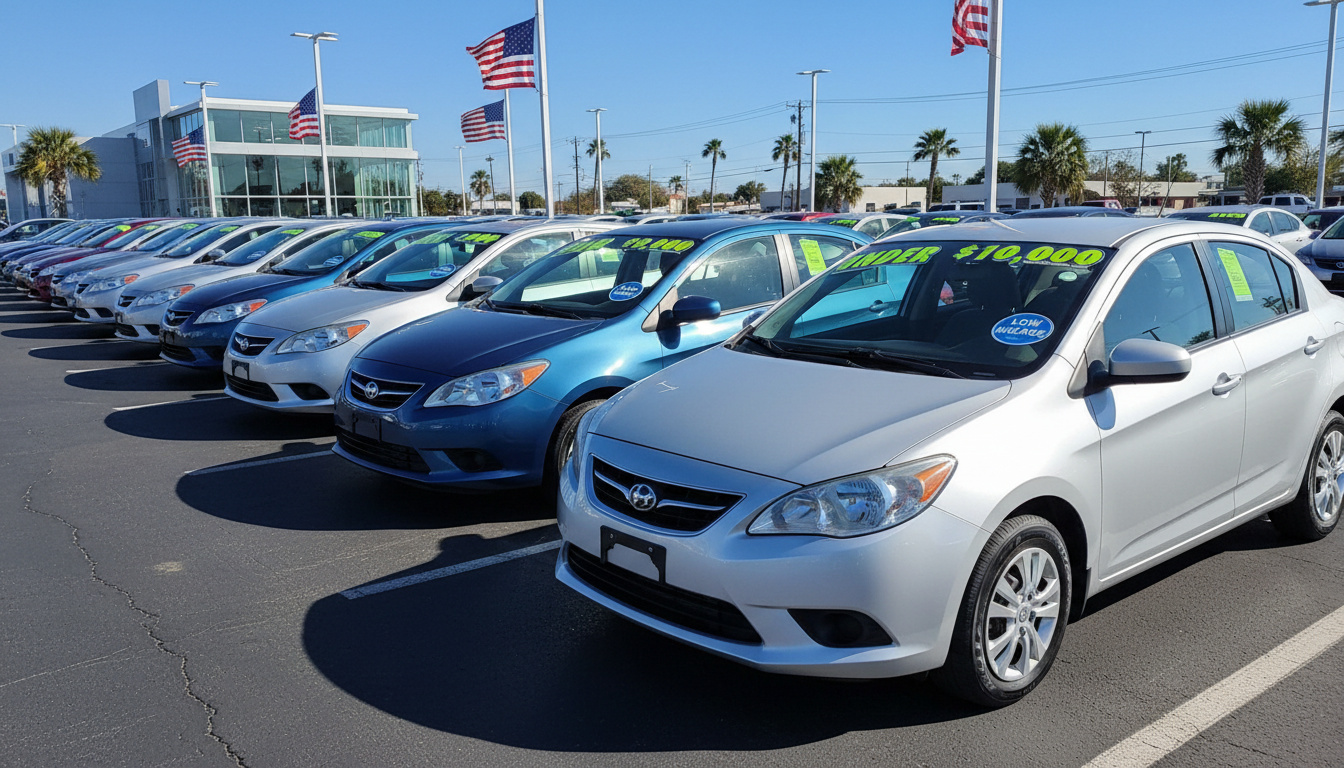

The compact car segment remains one of the most active corners of the automotive market, offering practical transportation solutions for urban commuters and budget-conscious buyers alike. With fuel prices fluctuating and parking premiums rising in metropolitan areas, small cars continue to deliver measurable value through lower operating costs and maneuverability.
Current inventory data shows significant availability across both new and used segments, with particular concentration in the sub-$10,000 range for quality pre-owned models. Buyers now face a landscape where late-model compact vehicles offer safety and technology features once reserved for luxury segments.
This guide examines the specific models, pricing tiers, and purchasing strategies that define the small car marketplace in 2024, drawing from verified sales data and expert evaluations.
What Are the Best Small Cars for Sale in 2024?
Several nameplates consistently dominate reliability and value metrics within the compact category. Based on aggregated market data, these models represent the strongest options for buyers prioritizing longevity and operational efficiency.
| Model | Price Range (Used) | MPG City/Hwy | Key Advantage |
|---|---|---|---|
| Honda Civic (2012–2015) | $7,500–$9,500 | 28/39 | Durable drivetrain |
| Toyota Corolla (2014–2016) | $8,000–$9,800 | 27/36 | Low maintenance costs |
| Toyota Prius (2010–2015) | $8,500–$10,000 | 51/48 | Hybrid efficiency |
| Mazda3 (2014–2016) | $6,500–$8,500 | 28/37 | Driving dynamics |
- Used compact prices have stabilized after 2023 volatility, with Honda Civic models commanding the highest resale values in the segment.
- Toyota Prius offerings deliver the lowest cost-per-mile for high-mileage drivers, though battery condition requires specialist verification.
- Fleet vehicles comprise approximately 40% of available Corolla inventory, necessitating careful maintenance history review.
- Mazda3 models show elevated rust incidence in snow-belt states, particularly affecting 2014–2016 hatchback variants.
- Sub-$10,000 inventory concentrates heavily in the 2012–2018 model year range, providing significant modern feature availability.
- Hybrid battery replacement costs average between $2,000 and $4,000, impacting total ownership calculations for Prius buyers.
| Model | Avg Price New | Avg Price Used | Reliability Score | Maintenance Cost/Year |
|---|---|---|---|---|
| Honda Civic | $24,000 | $8,500 | 4.5/5 | $368 |
| Toyota Corolla | $23,000 | $9,200 | 4.7/5 | $362 |
| Toyota Prius | $28,000 | $9,800 | 4.6/5 | $408 |
| Mazda3 | $25,000 | $7,800 | 4.2/5 | $433 |
| Ford Focus | $22,000 | $8,900 | 3.9/5 | $570 |
| Nissan Sentra | $21,000 | $9,500 | 4.0/5 | $491 |
Where to Find Cheap Small Cars for Sale Under $10,000
The sub-$10,000 market segment offers substantial value for buyers willing to research vehicle histories and accept higher mileage figures. Kelley Blue Book identifies several compact and subcompact models that consistently balance reliability, fuel efficiency, and practical features within this price bracket.
Navigating the Sub-$10,000 Market
Honda Civic (2012–2015) stands out as the most popular choice, offering durable drivetrains, easy serviceability, and strong resale value. Market analysis indicates that lower-mileage EX models maximize budget efficiency for discerning buyers.
Toyota Corolla (2014–2016) delivers exceptional reliability and low running costs, though many examples represent heavily used fleet vehicles. Verification of maintenance history remains essential when evaluating these units.
Nissan Sentra (2017–2019) provides a roomy interior and large cargo capacity, with abundant nationwide inventory available below the $10,000 threshold, according to MotorTrend.
When evaluating sub-$10,000 compact cars, prioritize inspection of the hybrid battery condition in Prius models, rust damage on Mazda3 vehicles from northern climates, and evidence of stretched oil change intervals or modified tuning on higher-mileage examples.
Critical Watchouts
Buyers should inspect for modified examples, neglected maintenance histories, and worn suspension components. For electric options like the Nissan Leaf (2013–2017), assess battery degradation percentages and understand reduced winter range limitations.
New vs Used Small Cars for Sale: Which to Choose?
The decision between new and pre-owned compact vehicles involves calculating depreciation curves against warranty coverage and feature availability. Current market conditions have compressed the price gap between late-model used and entry-level new vehicles.
Depreciation Realities
New compact cars typically lose 20–30% of their value within the first year of ownership. This depreciation creates opportunities in the 2–4 year old market, where vehicles often retain manufacturer warranty coverage while selling for 60–70% of their original price.
Feature Disparities
2024 model year small cars offer standard advanced driver assistance systems (ADAS) and smartphone integration unavailable in older models. However, used compact cars guide resources indicate that 2016 and newer vehicles often include sufficient safety technology for most buyers.
Warranty Considerations
New vehicle powertrain warranties extend to 5 years or 60,000 miles, while used purchases may carry remaining coverage or require aftermarket protection plans. Certified pre-owned programs offer middle-ground solutions with extended warranties and rigorous inspection standards.
Small Cars for Sale Near Me and By Owner Options
Geographic location significantly impacts inventory availability and pricing for compact vehicles. Urban centers typically offer greater selection but higher prices, while rural areas may present negotiating opportunities with limited model diversity.
Local Inventory Channels
Major listing platforms aggregate dealer and private seller offerings. Autotrader provides filters for price range, mileage, and location-based searches. CARFAX offers verified history reports integrated into search results, while Edmunds combines expert reviews with listing aggregation.
Private Seller Considerations
Owner-direct sales often yield lower prices by eliminating dealer overhead, though they require independent mechanical inspections. Private transactions demand careful documentation of title status, lien releases, and odometer verification.
Verify seller identity against title documents before transferring funds. Conduct transactions at secure locations such as bank parking lots or DMV offices to ensure proper documentation and reduce fraud risk.
Expand search radius to 100 miles to capture suburban dealerships with lower overhead costs. Best Small Cars Under $10,000 research indicates significant price variation between metropolitan and peripheral markets for identical model years.
Best Small Cars for Sale with Great Gas Mileage
Fuel efficiency remains the primary purchasing driver for compact car buyers, with hybrid and conventional powertrains offering distinct operational profiles. EPA testing data provides standardized comparisons across model years.
Hybrid Efficiency Leaders
Toyota Prius (2010–2015) delivers 48+ miles per gallon combined with vast parts support availability. Specialist inspection of the hybrid battery condition remains essential, as replacement costs significantly impact total ownership economics.
Conventional Powertrain Options
Ford Focus (2017–2018) features a fuel-efficient 1.0-liter EcoBoost engine with good safety ratings and available hatchback practicality. Honda Civic and Toyota Corolla models achieve 25–35 mpg in real-world driving, with well-established service records supporting long-term reliability.
How Has the Small Car Market Changed Recently?
- 2023: Post-pandemic inventory shortages reached peak intensity, driving used compact car prices to historical highs above $15,000 average for low-mileage examples.
- Early 2024: Supply chain normalization allowed increased production of compact models, gradually restoring dealership lot inventories.
- Second Quarter 2024: Hybrid demand surged in response to fuel price volatility, widening the price gap between efficient and standard powertrain models.
- Late 2024: Sub-$10,000 inventory expanded significantly as 2015–2018 model year vehicles entered wholesale markets in greater volume.
- 2025 Outlook: Manufacturer electrification mandates accelerated development of affordable small EVs, though internal combustion models remain dominant in the under-$10,000 segment.
What Do We Know for Certain About Small Car Values?
| Established Information | Information That Remains Uncertain |
|---|---|
| 2012–2015 Honda Civics demonstrate the lowest total cost of ownership in the compact segment | Exact depreciation rates for 2024 model years remain volatile due to market fluctuations |
| Toyota Corolla maintenance costs average $362 annually according to service data | Local inventory availability varies significantly by metropolitan area and cannot be predicted |
| Mazda3 models show demonstrably higher rust incidence in northern climates with road salt usage | Long-term reliability data for recent turbocharged small engines remains incomplete |
| Hybrid batteries typically require condition inspection after 100,000 miles of operation | Future resale values for hybrid models depend on uncertain EV adoption acceleration rates |
| Sub-$10,000 inventory concentrates in vehicles with 80,000–120,000 miles | Specific vehicle condition and accident history require individual inspection |
Why Do Compact Vehicles Dominate Urban Markets?
Urbanization trends and infrastructure constraints have cemented the small car’s role in metropolitan transportation. Parking space premiums in dense cities render full-size sedans and SUVs economically impractical for daily commuting, while narrow street designs favor vehicles with tighter turning radii.
Fuel efficiency regulations and consumer preference shifts have driven manufacturers to prioritize compact segment development, resulting in improved safety ratings and interior quality previously unavailable at entry price points. The segment now serves dual roles as primary transportation for urban professionals and economical second vehicles for suburban households.
What Do Industry Experts Recommend?
“Honda Civic models between 2012 and 2015 represent the sweet spot for buyers seeking durability without premium pricing. The EX trim level offers the best balance of features and value retention.”
— Kelley Blue Book Analysis
“Toyota Corolla delivers exceptional reliability, though fleet vehicle prevalence requires buyers to verify individual maintenance histories carefully. Private party examples often show better care than rental fleet units.”
— Recharged Market Research
“The Ford Focus EcoBoost and Nissan Sentra provide practical alternatives in the sub-$10,000 range, offering modern safety features and hatchback versatility for urban environments.”
— MotorTrend Used Car Guide
Key Takeaways for Small Car Buyers in 2024
Buyers entering the compact market should prioritize 2012–2018 model year Honda and Toyota products for optimal reliability, while remaining open to Ford and Nissan alternatives for feature-specific needs. Verification of maintenance records, rust inspection for northern vehicles, and hybrid battery testing for Prius models remain non-negotiable steps. Utilizing used compact cars guide resources ensures informed decision-making in a market characterized by high inventory turnover and significant geographic price variation.
Frequently Asked Questions
What is the smallest car you can buy?
The Chevrolet Spark and Mitsubishi Mirage represent the smallest production vehicles available in the United States, though compact models like the Honda Civic and Toyota Corolla offer superior safety ratings and practicality for minimal size increases.
Are small cars safe?
Modern compact cars achieve high safety ratings through advanced crumple zones and standard electronic stability control. 2016 and newer models typically include multiple airbags and backup cameras, though they generally cannot match the crash protection of larger vehicles in direct collisions.
What is the most reliable small car?
Toyota Corolla and Honda Civic consistently rank highest in reliability studies, with average annual maintenance costs below $400 and powertrains regularly exceeding 200,000 miles with proper servicing.
How long do small cars typically last?
Well-maintained compact cars from Honda and Toyota frequently operate beyond 250,000 miles. Critical longevity factors include regular oil changes, timing belt or chain replacement, and rust prevention in harsh climates.
Are small cars suitable for families?
Compact sedans and hatchbacks accommodate small families with one or two children, though rear-facing infant seats may limit front passenger space. Teenage children typically find rear seating adequate for daily transportation.
What small car holds its value best?
Honda Civic and Toyota Corolla demonstrate the strongest value retention in the compact segment, depreciating approximately 40% over five years compared to 50–60% for domestic competitors.
Should I buy from a dealer or private seller?
Dealers provide financing options and limited warranties but charge premiums of 10–20%. Private sellers offer lower prices but require independent mechanical inspections and provide no recourse for undisclosed defects.

Grace Campbell leads fact-checking, source verification and corrections at Australia Pulse.